Luxury Leather vs Real Leather: How to Tell
Is luxury leather real leather?
Sometimes. “Luxury leather” is a marketing description, not a regulated material label, so it can mean anything from full-grain hide to bonded leather—or even non-leather materials finished to look premium. The only reliable way to know is to check the product’s material disclosure and construction details.
How to tell if “luxury leather” is actually leather
Look for specific terms that identify what the item is made from. “Full-grain leather” and “top-grain leather” are real leather (with full-grain generally considered the most natural and durable). “Genuine leather” is also real leather, but it’s a broad category that can include lower layers of the hide and may be corrected or heavily finished.
Be cautious with vague wording like “luxury leather,” “premium leather,” or “leather-like.” Those phrases don’t confirm the material. Also watch for “bonded leather” (made from leather scraps mixed with binders) and “PU leather”/“vegan leather” (synthetic). They can look good initially, but they typically don’t age or wear the same way as real leather.
Why luxury leather goods can still vary in quality
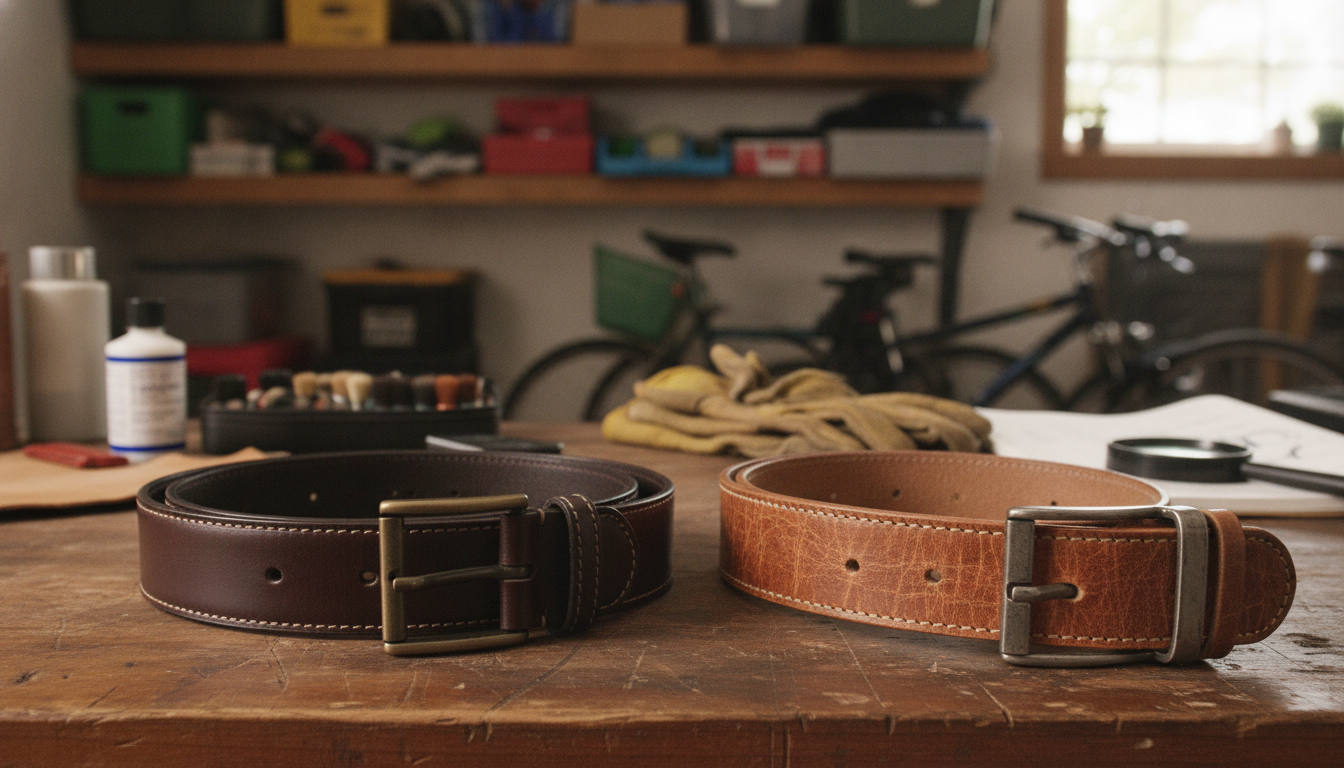
Even when an item is real leather, quality depends on more than the label. Thickness, tanning method, finishing, and hardware all matter. A well-made leather belt, for example, should have sturdy edges, consistent thickness, and hardware that won’t bend or flake with regular wear. Real leather also tends to develop a natural patina over time rather than peeling like many synthetics.
What to look for when buying a leather belt
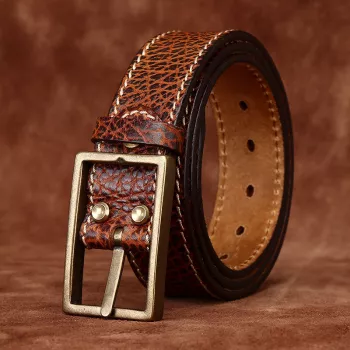
For everyday use, prioritize clear material language and solid construction. If you’re shopping for a classic option with durable hardware and a timeless look, see this guide: men’s 1.5-inch genuine leather belt with a retro brass buckle.
FAQ
What does “genuine leather” mean on a product label?
It means the item contains real leather, but it doesn’t specify the leather grade. Quality can range from very good to more basic depending on hide layer, finish, and construction.












Leave a comment