Reduce Stress in Pets: Routines, Safe Spaces & Enrichment
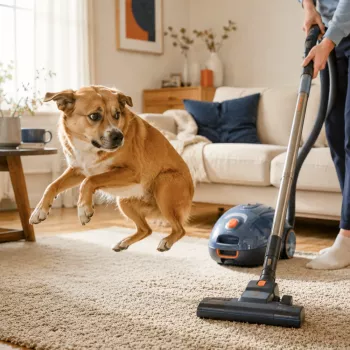
How to reduce stress in pets?
Reducing stress in pets starts with spotting what’s triggering it and then making daily life more predictable. Common stressors include loud noises, new people or animals, changes in schedule, travel, and boredom. Many pets show stress through pacing, hiding, excessive grooming, barking/meowing, accidents, or decreased appetite.
Create a calmer routine
Pets relax when their day is consistent. Feed, walk, play, and let them rest at roughly the same times. If changes are unavoidable, introduce them gradually—small schedule shifts are often easier than sudden disruptions.
Give them a safe space
Set up a quiet “retreat” where your pet can decompress. This can be a covered crate, a back bedroom, or a cozy corner away from foot traffic. Let your pet choose to go there and avoid forcing interaction when they’re seeking distance.
Increase enrichment (the right way)
Stress can come from pent-up energy or lack of mental stimulation. Add short training sessions, puzzle feeders, scent games, or structured play that matches your pet’s personality. For anxious pets, keep games low-pressure and end while they’re still enjoying it.
Lower noise and overstimulation
During fireworks, storms, or busy gatherings, reduce sensory overload: close curtains, play steady background sound, and limit chaotic interactions. If your pet is sensitive to visitors, provide a separate room with water, familiar bedding, and a calming activity.
Support calm behavior
Reward relaxed choices—lying down, settling on a mat, quiet observation—with small treats or gentle praise. Avoid punishing fear-based behaviors; it can increase anxiety and make stress responses stronger over time.
Know when to call the vet
If stress is sudden, severe, or paired with vomiting, diarrhea, self-injury, or aggression, involve a veterinarian. Medical issues can mimic anxiety, and your vet can discuss behavior plans or safe, pet-appropriate calming options.
For more detailed steps and practical examples, visit How to Reduce Stress in Pets.
FAQ
What are signs my pet is stressed or anxious?
Common signs include hiding, trembling, pacing, excessive licking/grooming, appetite changes, accidents in the house, and increased vocalizing. Some pets also become clingy or unusually withdrawn.















Leave a comment