Self-Cleaning Cat Litter Boxes: Odor Control & Easy Care
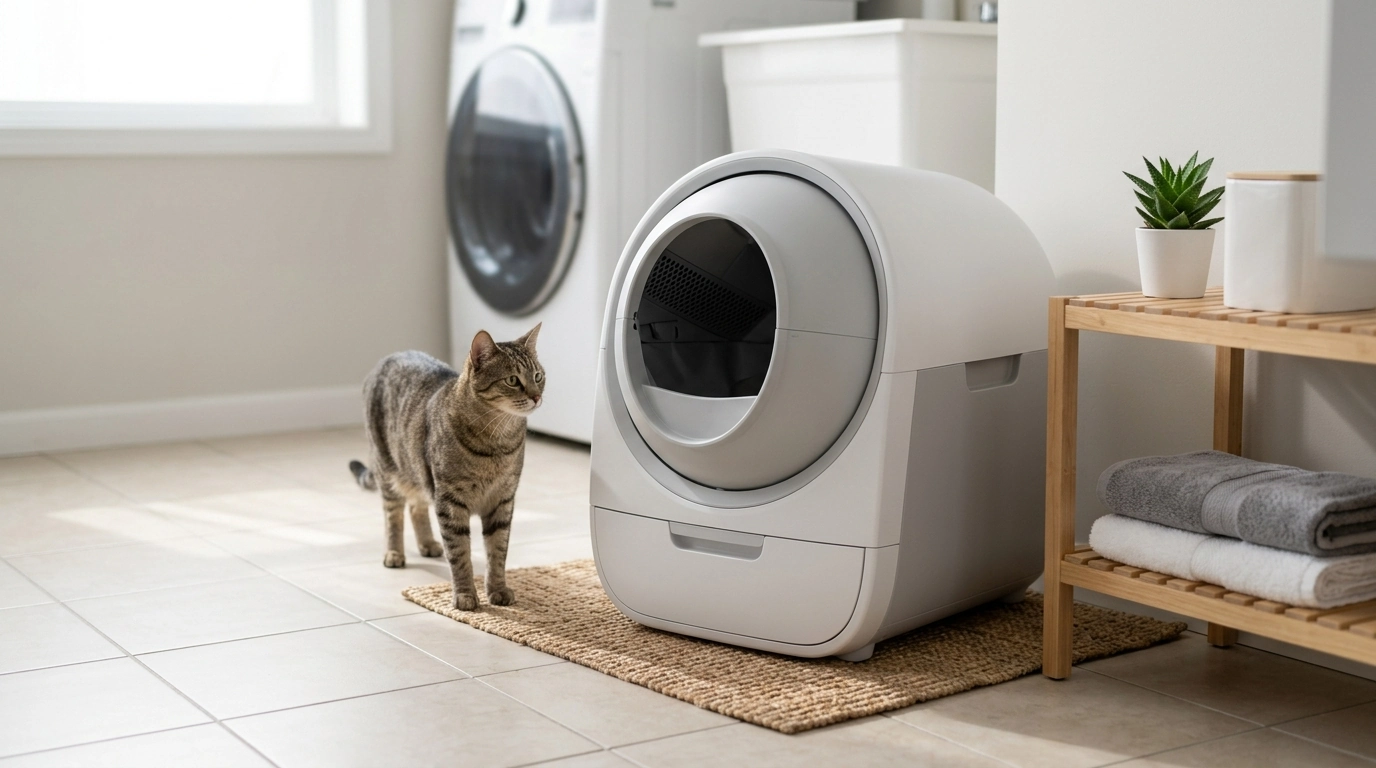
Self-Cleaning Cat Litter Box: A Cleaner Routine for Busy Homes
A self-cleaning litter box can cut down daily scooping, reduce lingering odors, and help keep litter areas more hygienic—especially in multi-cat homes or smaller apartments. The right choice depends on box size, waste-handling method, noise level, safety sensors, and how your cat adjusts to moving parts and new sounds.
What a Self-Cleaning Litter Box Does (and What It Doesn’t)
Automatic litter boxes are designed to separate waste from clean litter shortly after your cat uses the box. Depending on the design, the unit may rake clumps into a bin, rotate a drum to sift litter, lift and sift through a tray, or (in rare cases) flush waste using a water connection.
That automation helps with odor control because clumps don’t sit exposed for hours. Many models also seal waste in a drawer or bag, which can make a noticeable difference in apartments and shared living spaces.
It’s still not “set it and forget it.” You’ll need to top up litter, empty the waste compartment, wipe interior surfaces, and deep clean periodically. Performance also depends on using a consistent clumping litter and keeping the fill level within the manufacturer’s range—overfilling can cause jams or poor separation, while low fill can leave streaks or stuck clumps.
Common cleaning mechanisms and what to expect
| Mechanism | How it separates waste | Typical upkeep | Best for |
|---|---|---|---|
| Rake | A comb pulls clumps into a bin | Empty bin; clean rake weekly | Cats comfortable with open pans |
| Rotating drum | Drum rotates and sifts clean litter from clumps | Empty drawer; wipe drum interior | Odor control and enclosed designs |
| Sifting tray | Litter passes through a grate; clumps stay behind | Replace liners; rinse tray | Simple, low-electronics setups |
| Flush/Water-based | Waste is washed away via plumbing | Maintain water lines; descaling | Homes with suitable plumbing and dedicated space |
Key Benefits for Cats and Households
The biggest day-to-day win is faster waste removal. When clumps are separated promptly, litter tends to stay drier, which can mean cleaner paws and less tracked grit on nearby floors. For some cats, a consistently “fresh” box can encourage regular use—helpful for picky cats that avoid a box that looks or smells used.
Odor is another major factor. When waste is moved into a closed compartment, the litter area often smells less like ammonia, particularly when you keep up with emptying the drawer on schedule. This can also make it easier to place the box in a bathroom, laundry room, or hallway without the space feeling like it’s dominated by litter odor.
For owners, automation reduces daily labor. Instead of scooping multiple times a day, many households switch to a quick check plus a predictable emptying routine. In multi-cat homes, this can be the difference between “we’re constantly behind” and “we can actually keep it hygienic.”
Potential Drawbacks and How to Avoid Them
Automatic doesn’t always mean effortless. Some cats are startled by movement or motor sounds, especially if the cleaning cycle starts immediately after they exit. Choosing a quieter model, using a delayed cycle, and introducing the box slowly can prevent many issues.
Sizing and Placement: The Two Biggest Success Factors
Practical fit checks before buying
| Check | Why it matters | Quick rule of thumb |
|---|---|---|
| Interior room | Comfort and consistent use | Cat can turn around without touching walls |
| Waste capacity | Less frequent emptying | Multi-cat homes need larger drawers/bins |
| Footprint | Real-world placement | Measure space with lid/drawer clearance |
| Entry | Accessibility | Lower entry for kittens/seniors; stable step if needed |
Featured Option: Self-Cleaning Cat Litter Box XL
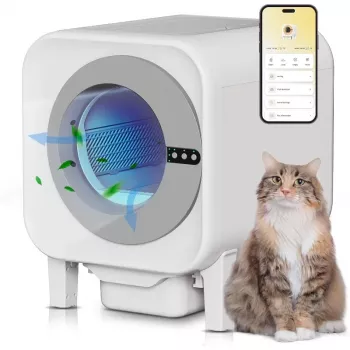
If your goal is fewer scooping sessions and a cleaner litter area day to day, an XL-format unit can be a strong fit—especially for bigger cats or busy households where waste builds up fast. The Self-Cleaning Cat Litter Box XL is designed with extra space and a setup that supports more consistent waste handling.
| Item | Details |
|---|---|
| Product | Self-Cleaning Cat Litter Box XL |
| Price | 539.47 USD |
| Availability | In stock |
| Product page | View details |
Getting a Cat Comfortable With an Automatic Box
Maintenance Routine That Keeps Odor Low
Simple schedule for most households
| Task | Typical frequency | Notes |
|---|---|---|
| Empty waste bin/drawer | Every 2–5 days | More often for multi-cat homes |
| Top up litter | Every few days | Follow fill line guidance |
| Wipe interior surfaces | Weekly | Focus on seals and edges |
| Deep clean | Every 3–6 weeks | Dry fully before refilling |
Clean Home Add-Ons That Pair Well
Hydration support can complement good litter habits. A fountain can encourage more drinking, which may support urinary tract health for many cats. If you want a quiet option that’s easy to place away from the litter area, consider the 95oz Cordless Cat Water Fountain – Battery Powered & Ultra-Quiet Pet Feeder.
For broader cat care guidance, consult resources from the American Veterinary Medical Association (AVMA), the Cornell Feline Health Center, and the ASPCA.
FAQ
Do self-cleaning litter boxes work with multiple cats?
Yes, as long as the interior space and waste capacity are large enough to keep up with frequent use. Plan to empty the drawer more often and use consistent clumping litter so waste separates cleanly.
What litter works best in an automatic litter box?
Most units perform best with a low-dust, hard-clumping litter that forms firm clumps quickly. Avoid overfilling and follow any litter restrictions or fill-line guidance from the manufacturer.
Is an automatic litter box safe for kittens?
Many are safe when used as directed, but very young kittens may do better with a standard low-entry box until they’re large enough. Use built-in safety sensors, supervise the transition, and run cleaning cycles when the kitten is away.












Leave a comment