Cordless Smart Knee & Leg Massager: Comfort Guide
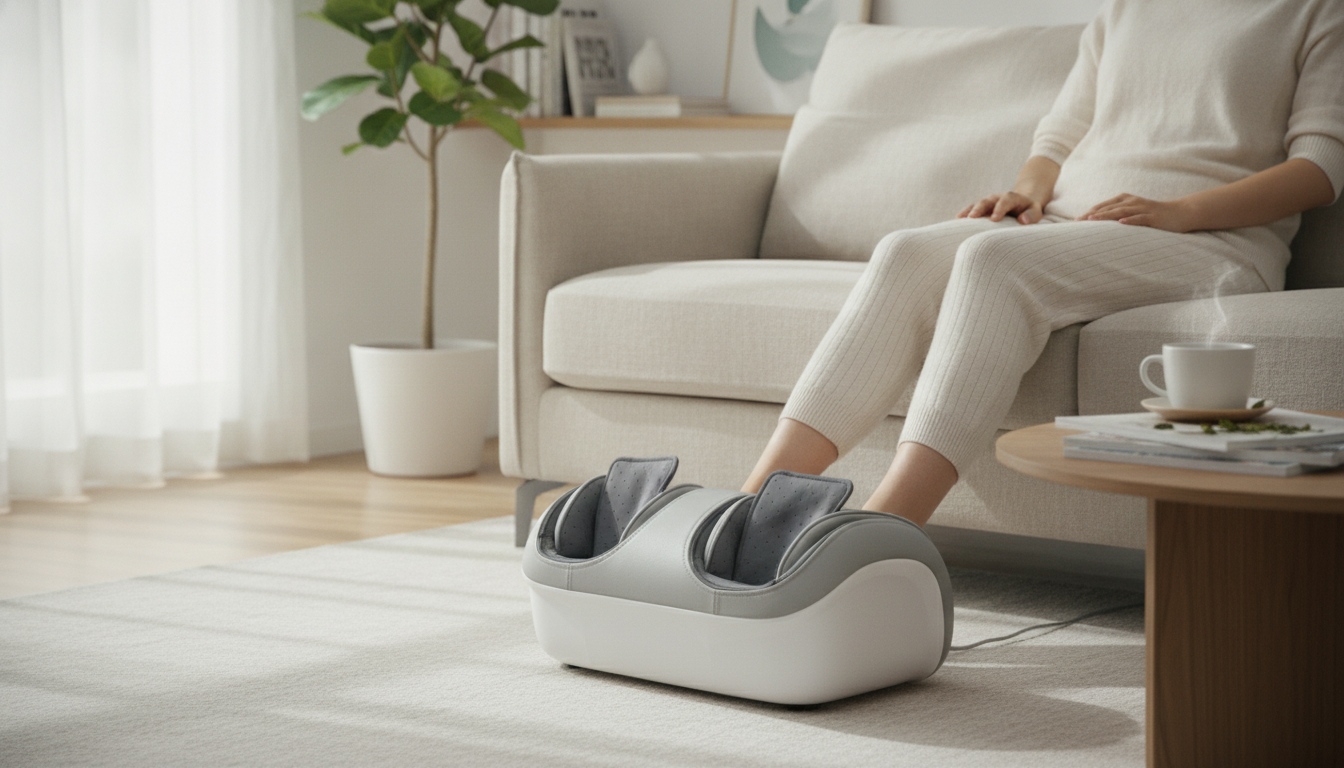
Cordless Smart Knee and Leg Massager: Targeted Comfort for Knees, Calves, and Legs
A cordless knee and leg massager can be a practical way to unwind stiff, tired lower-body muscles after long days on the feet, workouts, or extended sitting. Smart, wearable-style designs wrap around the knee area and often reach the upper calf, delivering rhythmic pressure and vibration that can feel calming without requiring hands-on effort. Below is what to expect from the experience, how to use it comfortably, and how to choose settings that match your sensitivity.
What it is and what it’s designed to do
A wearable knee-and-leg massager is a cordless wrap intended to provide targeted comfort around the knee area and along the legs—most commonly the calf and nearby soft tissue. Smart controls usually let you switch modes and intensity so you can keep sessions gentle on sensitive days or slightly firmer after activity.
It’s best viewed as a relaxation and comfort tool. It can help your legs feel less “worked over” and more at ease, but it isn’t a medical treatment for injuries, arthritis, or joint disease. If pain is persistent, worsening, or paired with swelling or heat, getting clinical guidance matters more than changing massage settings.
Key features to look for in a smart cordless design
Small design differences can make the experience feel dramatically better—especially around the knee, where bony landmarks and tendons can be sensitive.
- Mode variety: Look for multiple patterns (gentle pulse, alternating rhythm, or deeper kneading-style sequences) to avoid the “same spot, same pressure” feeling.
- Adjustable intensity: Several levels help you dial in comfort for tender calves, post-walk stiffness, or a sensitive knee area.
- Cordless operation: Battery power makes it easier to use on the couch, at a desk, or while traveling—without being tethered to an outlet.
- Secure, comfortable fit: Straps should feel stable without pinching behind the knee or creating a tight band that affects circulation.
- Easy controls: Large, readable buttons and simple mode switching matter when you’re seated and want quick adjustments.
How it works (sensations and expectations)
Most smart knee-and-leg massagers use vibration and/or compression-like pressure patterns to stimulate surrounding soft tissue. During a session, the sensation is typically a pulsing squeeze or rhythmic pressure that’s most noticeable over muscle-heavy areas like the calf, and less pleasant when concentrated directly over the kneecap.
Comfort usually builds gradually. Starting low and stepping up slowly helps you avoid tenderness—especially near the joint line, where small changes in position can move pressure from muscle to bone. Any relief is usually temporary, and many people find it lasts longer when paired with simple recovery habits like hydration, a short walk to warm tissues, gentle stretching, or leg elevation when appropriate.
Who it can help most
- People with tired legs from standing or commuting: Helpful for that heavy-leg feeling or tight calves after long days.
- Active users: A convenient option for post-workout relaxation—especially for calves and surrounding leg muscles.
- Older adults seeking gentle comfort: Conservative settings and a looser fit are key; medical concerns should be cleared with a clinician.
- Anyone who wants hands-free sessions: A cordless wrap can replace the hassle of manual tools when you just want to sit and relax.
How to use it for the best experience
- Positioning: Center the wrap so pressure lands on soft tissue rather than pressing directly on bony areas. If the device sits too high, it can push into the kneecap; too low, and it may dig into the upper shin.
- Start low: Begin with the lowest intensity for a shorter session to gauge sensitivity, especially the first few uses.
- Stay comfortable: Loosen or stop if numbness, tingling, sharp pain, or coldness in the foot occurs—these are signs the fit may be too tight or the intensity too high.
- Pair with simple habits: A brief walk before use can warm up the calves; gentle stretching after can help keep the relaxed feeling.
Session timing and daily frequency
A common routine is 10–20 minutes per session, depending on comfort and the device’s built-in timer. Many people use a wearable massager once or twice per day; if you want more frequent sessions, keep intensity conservative and pay attention to how your body responds the next day.
| Situation | Suggested intensity | Session length | Notes |
|---|---|---|---|
| Desk day / light stiffness | Low | 10–15 minutes | Focus on comfort; stop if tingling occurs. |
| After long standing | Low–Medium | 15–20 minutes | Elevating the leg can improve comfort. |
| Post-workout calf tightness | Low initially, then Medium | 10–20 minutes | Avoid high intensity on tender spots. |
| Sensitive knee area | Lowest | 5–10 minutes | Prioritize gentle settings and looser fit. |
Safety notes and when to avoid use
For additional guidance on swelling and red flags, see the Mayo Clinic overview of edema (swelling) and MedlinePlus information on deep vein thrombosis.
Battery, portability, and everyday convenience
Care, cleaning, and longevity
Product picks for a more comfortable routine
- Cordless Smart Knee and Leg Massager — a wearable, battery-powered option for targeted comfort around the knee and calf area.
- Elegant Solid Wood Nightstand with Rattan Storage – Modern Moroccan Design — a practical bedside spot to keep chargers, lotion, or recovery essentials within reach.
FAQ
How many times a day can I use my smart knee massager?
Many people do well with 1–2 sessions per day, starting with short, low-intensity runs to see how their knee and calf tissues respond. If you notice soreness, numbness, or skin irritation, reduce intensity and time or take a day off; consult a clinician if you have underlying medical conditions or unexplained swelling.














Leave a comment