Tunnel Tents in Wind: Stability, Setup, and Limits
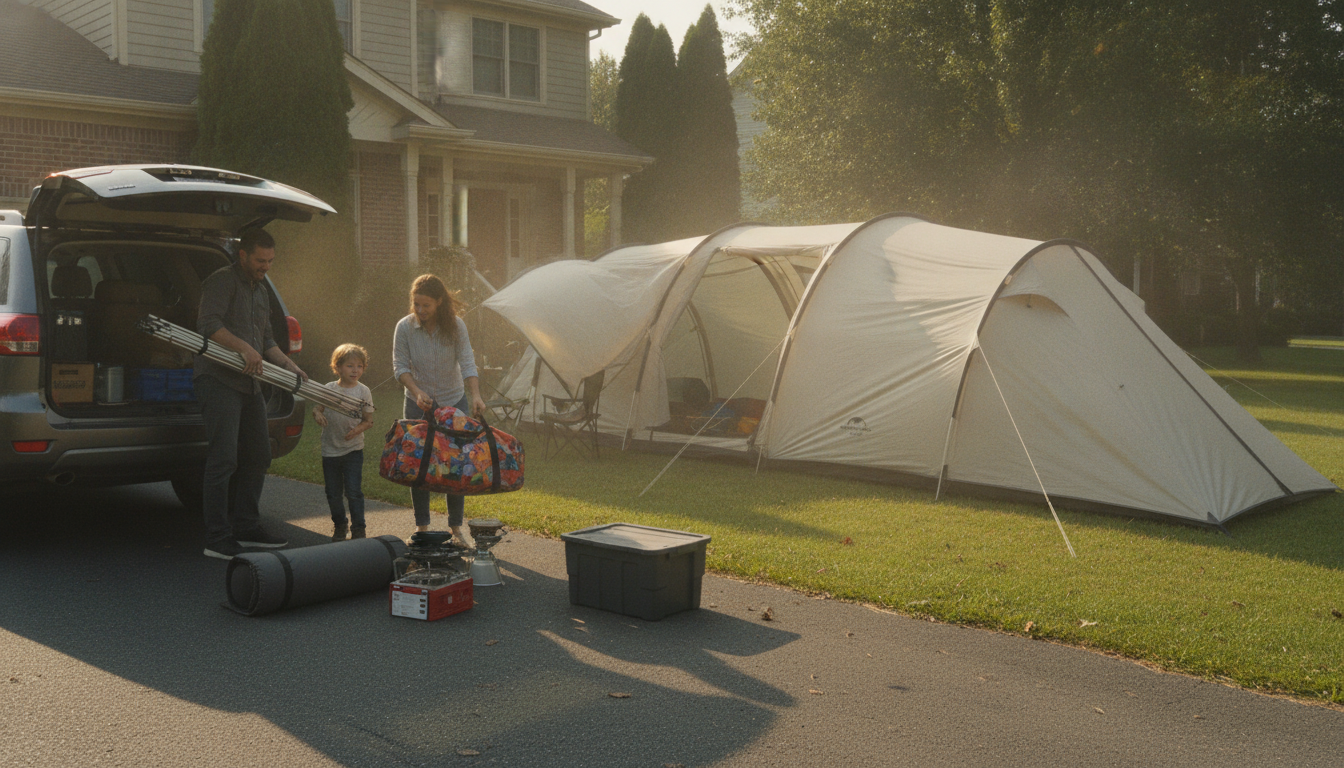
Are tunnel tents good in the wind?
Tunnel tents can be very good in the wind, but only when they’re pitched correctly and used within their limits. Their long, aerodynamic profile helps them shed gusts better than many cabin-style tents, especially when you aim the narrow end (the “nose”) into the wind. That said, tunnel tents typically rely on proper tension and multiple guy lines for stability—skip those steps and they can flex, flap, or even collapse under stronger gusts.
Why tunnel tents handle wind well
The best tunnel tents use a low, curved shape that encourages wind to flow over the top rather than pushing against a flat wall. When the poles are tensioned properly, the structure becomes surprisingly rigid. Many models also offer generous vestibules while still keeping a streamlined silhouette, which is a helpful balance for windy, wet trips where you need sheltered gear space.
When tunnel tents struggle
Because the design is supported by tension, tunnel tents are more sensitive to sloppy setup than some dome tents. If the wind hits the broad side of the tent, the fabric and poles can take a heavier load. Soft ground, weak stakes, or missing guy-outs can quickly turn a “wind-ready” tunnel tent into a noisy, unstable shelter.
How to make a tunnel tent more windworthy
Pitch the narrow end into the prevailing wind, use every guy point, and tighten lines until the fly is drum-taut without over-stressing seams. Upgrade to stronger stakes for sand, alpine soil, or loose forest duff, and reinforce anchors with rocks or deadman techniques when needed. If conditions are severe, choose a site with natural windbreaks (terrain dips, boulders, or dense shrubs) while avoiding hazards like dead branches.
For a deeper breakdown of setup tips, design tradeoffs, and what to look for in a storm-ready model, visit the main guide on tunnel tents in windy weather.
FAQ
Do tunnel tents need guy lines?
Yes. Guy lines are a key part of the structure, helping the poles hold shape and preventing the fly from pumping in gusts. Using all guy points is one of the biggest upgrades you can make to wind performance.
















Leave a comment