Soft Knit Baby Blanket for Stroller, Naps & Gifting
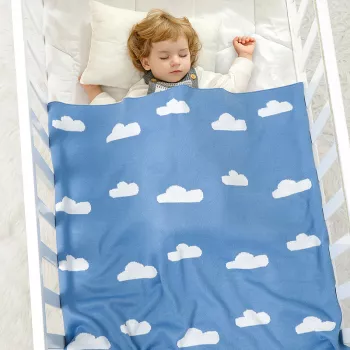
Soft Knit Baby Blanket: Cozy Comfort for Stroller, Cuddles, and Gifting
A soft knit baby blanket brings warmth without bulk, making it an easy grab-and-go layer for naps, stroller rides, and calm-down cuddles. The right knit should feel gentle on delicate skin, hold up to frequent washing, and be sized for everyday use at home and on the move.
What Makes a Knit Baby Blanket Feel Truly Soft
Softness is more than a first impression—it’s how the blanket feels after a week of naps, spit-ups, and laundry cycles. A few details make a noticeable difference in day-to-day comfort.
- Yarn feel matters most: Smooth fibers paired with a tight, even knit help reduce scratchiness and limit snagging on tiny nails or rough surfaces.
- Breathability supports all-day comfort: Knit construction can trap warmth while still letting air move through, which helps when temperatures shift between indoors and outdoors.
- Tidy edges and seams: Flat, neat finishing helps the blanket drape without rubbing against cheeks, neck folds, or sensitive skin.
- Lasting softness after washing: A good everyday blanket should keep its pleasant feel even when it’s washed often—because newborn life is laundry-heavy.
Where a Soft Knit Blanket Gets the Most Use
A knit blanket earns its place by being the “always within reach” layer that works in multiple settings. These are the moments caregivers tend to grab it most:
- Stroller walks: A simple layer over legs that can be folded back or tucked in without fully waking a baby.
- Car seat moments: A removable cover for warmth after buckling (avoid bulky layers beneath straps).
- Contact naps and cuddles: Adds cozy insulation between baby and cooler surfaces, especially in air-conditioned rooms.
- Tummy time support: A softer surface on top of a clean floor mat (always supervise).
- Gifting: A practical baby shower or new-baby present that fits nearly any nursery style.
Soft Knit Baby Blanket at a Glance
For families who want a simple, dependable layer, a knit blanket is an easy choice—comfortable at home and portable enough for errands and visits.
- A lightweight-to-medium layer designed for everyday comfort.
- Works well as a portable blanket for outings, quick naps, and cozy indoor use.
- In stock and ready to ship.
Product Snapshot
| Detail | Value |
|---|---|
| Product | Soft Knit Baby Blanket |
| Price | 25.51 USD |
| Availability | In stock |
| Stock | 120 |
| Product page | https://bro.sale/soft-knit-baby-blanket-2/ |
Comfort and Safety Notes for Everyday Use
Blankets are cozy, but how they’re used matters—especially for newborns and young infants. Keep these practical safety habits in mind:
- Follow current sleep guidance: For age-appropriate sleep environment recommendations and loose bedding guidance, refer to pediatric experts such as the American Academy of Pediatrics safe sleep recommendations.
- Supervise during awake time: Watch baby whenever a blanket is used for play, tummy time, or cuddles, especially with younger babies.
- Keep faces clear: Position blankets so they stay away from the nose and mouth and airflow is never obstructed.
- Car seat best practice: If you use a blanket in a car seat, place it over the harness straps after buckling, not underneath, so the harness fit isn’t changed.
For broader nursery and crib safety considerations, the Consumer Product Safety Commission crib safety guidance is also a helpful reference point.
Choosing the Right Knit: Size, Season, and Skin Sensitivity
Not every knit blanket fits every routine. A few quick checks can help match the blanket to how it will actually be used.
- Size: Smaller blankets are easier to pack in a diaper bag and manage in a stroller. Larger sizes can be more useful for floor time and keep working as baby grows.
- Warmth level: Tighter knits and thicker yarns feel warmer; lighter knits layer better in mild weather or heated indoor spaces.
- Skin sensitivity: Prioritize gentle fibers and avoid rough trims, scratchy tags, or decorative elements that might rub against cheeks and wrists.
- Practicality: A blanket that tolerates repeated washing—without turning stiff or losing shape—tends to become the everyday favorite.
For a coordinated nursery setup, a storage piece like the Elegant Solid Wood Nightstand with Rattan Storage – Modern Moroccan Design can keep burp cloths, swaddles, and spare blankets within arm’s reach during feeds and changes.
Care Tips to Keep Knit Blankets Soft
Knit blankets can stay plush and inviting with a little routine care. These small habits help preserve softness and reduce wear:
- Wash before first use: Especially if the blanket will rest against newborn skin for long stretches.
- Choose mild detergent: Harsh additives can leave residue that stiffens fibers over time.
- Use low heat (or air dry): Air-drying or low-heat drying helps maintain softness and lowers shrink risk.
- Store thoughtfully: Keep it clean and dry, and avoid snag-prone storage near Velcro, hooks, or sharp zippers.
If you’re gifting, adding a quick care reminder (like “wash cold, dry low”) can help the blanket stay cozy through the busy newborn months.
Thoughtful Ways to Gift a Knit Baby Blanket
A knit blanket is one of those gifts that feels special but remains genuinely useful. A few simple add-ons can make it even more appreciated:
- Include a note with real-life uses: Mention stroller layering, cuddle time, and supervised tummy time so it doesn’t get saved “for later.”
- Add a fragrance-free detergent sample: Helpful for caregivers who prefer minimal ingredients around sensitive skin.
- Attach a small ribbon tag with care reminders: Quick guidance (wash cold, gentle dry) helps preserve softness and shape.
FAQ
What is the easiest thing to knit for a baby?
A simple garter-stitch baby blanket is often one of the easiest projects because it uses basic knit stitches, lays flat, and can be resized by adding rows. Other beginner-friendly options include a basic hat or booties, but blankets are especially forgiving and useful.












Leave a comment