Nike Elite Backpack Popularity: 4 Reasons It’s a Go-To
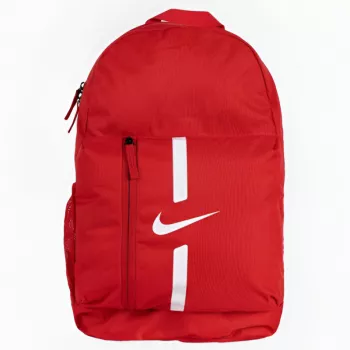
Why is the Nike Elite backpack so popular?
The Nike Elite backpack is popular because it checks the boxes athletes, students, and commuters actually care about: it carries a lot without feeling bulky, it’s built to take daily abuse, and it’s organized in a way that makes sense for sports gear and school essentials. It’s also one of those rare bags that looks good with gym clothes or streetwear, so it doesn’t feel like a “tournament-only” backpack.
Roomy storage that’s easy to use
A big reason people stick with the Nike Elite is capacity. The main compartment typically fits bulky items like a ball, change of clothes, and a hoodie, while smaller pockets keep chargers, keys, and accessories from sinking to the bottom. Many versions include separate sections that help keep sweaty gear or shoes away from clean clothes, which is a dealbreaker feature for anyone going straight from practice to class or work.
Comfort that holds up when it’s loaded
Popularity also comes from how it carries. Padded shoulder straps and a supportive back panel make a noticeable difference when the bag is heavy with books or equipment. The shape sits close to the body, so it feels stable when walking across campus, biking, or heading through an airport.
Durability and dependable materials
The Nike Elite line has a reputation for sturdy fabrics, reinforced stitching in high-stress areas, and zippers that don’t give up after a season. For many buyers, that reliability justifies the price—especially compared to cheaper backpacks that sag, rip, or lose their structure quickly.
Status, team culture, and recognizable style
Whether it’s AAU, high school teams, or weekend runs at the gym, the Nike Elite has become a familiar “uniform” bag. The branding is recognizable, the silhouettes are consistent year to year, and colorways often match team gear—so it’s easy to see why it became a go-to.
For a deeper breakdown of features, common use cases, and what to look for before buying, visit the full guide on why the Nike Elite backpack is so popular.
FAQ
Is the Nike Elite backpack good for school?
Yes. It’s spacious enough for binders, a laptop or tablet (depending on the model), and daily essentials, and the padding helps when carrying heavier loads across campus.













Leave a comment