AI-Tracking Gimbals: What to Buy and How It Works
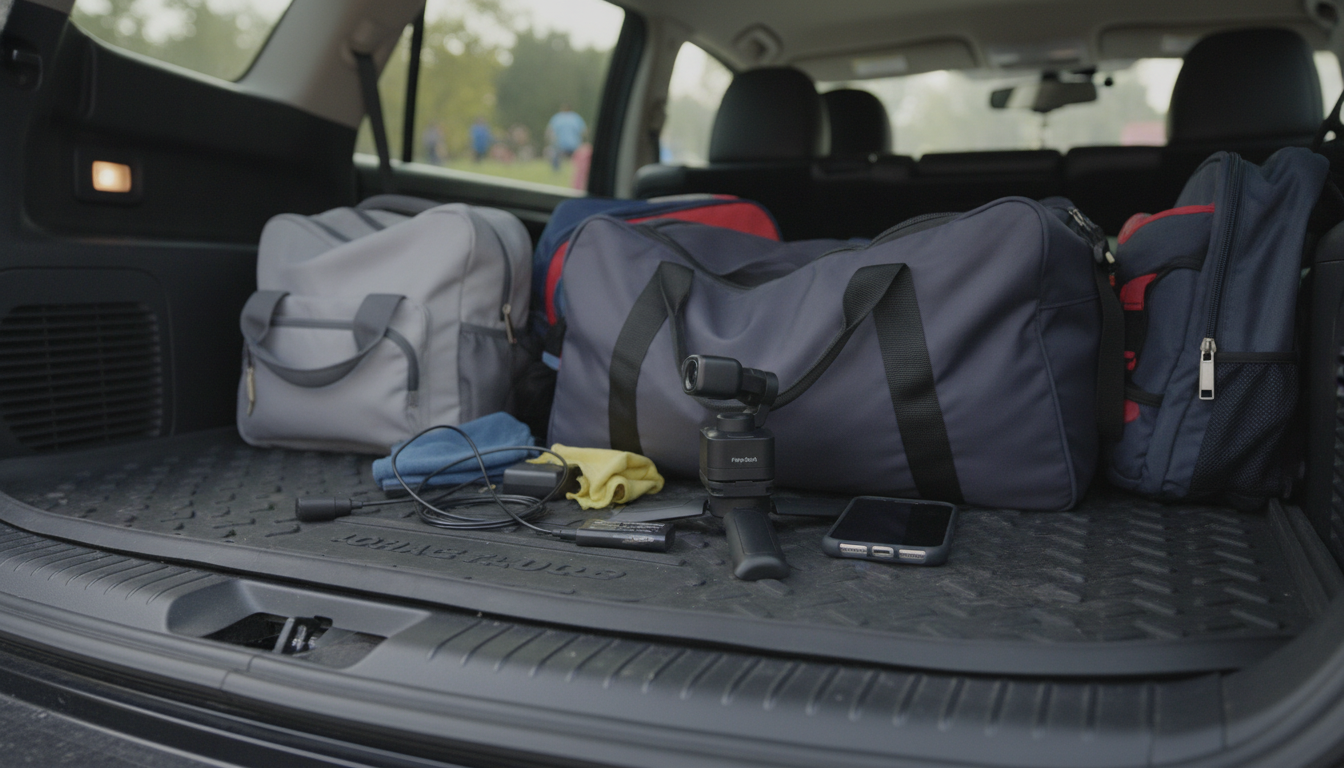
Which gimbal has AI tracking?
A gimbal with AI tracking is one that can automatically follow a person (or sometimes a specific subject) using built-in intelligence—either through the gimbal’s own camera module, an app-powered tracking mode, or a detachable tracking sensor. You’ll see AI tracking most often in smartphone gimbals and in compact “gimbal camera” combos designed for vlogging, live streaming, and hands-free filming.
What to look for in an AI-tracking gimbal
Not all “tracking” is the same. Some gimbals rely on a phone app to identify a face or body and keep it centered, while others use a dedicated tracking unit so tracking works even when you switch apps or film with the native camera. If you want the most reliable follow mode, prioritize a gimbal that supports a detachable AI tracking module and offers stable tracking at longer distances and in mixed lighting.
Popular gimbal types that commonly include AI tracking
Smartphone gimbals with app-based tracking are a common entry point. They’re usually affordable and lightweight, but tracking performance can depend on the app you’re using and your phone’s processing power.
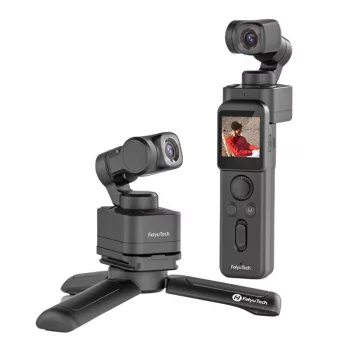
Gimbal cameras with integrated or detachable tracking are built for creators who want a more self-contained setup. These models often pair stabilization with features like high-resolution video (including 4K options), fast frame rates, and subject tracking that’s designed to work while moving.
A strong example: detachable stabilizer camera with AI tracking
If you’re shopping specifically for a stabilizer camera that supports AI tracking (often alongside features like 4K/60fps and a detachable design), see the full breakdown here: https://bro.sale/guide-4k-60fps-detachable-stabilizer-camera-ai-tracking/. It’s a practical option for creators who want hands-free framing while walking, talking, or demonstrating products on camera.
FAQ
Does AI tracking work without a phone app?
Sometimes. If the gimbal uses a dedicated tracking module or built-in camera intelligence, tracking can work more independently; app-only tracking typically requires you to stay inside the supported app environment.















Leave a comment