Kick Scooter Age Guide: When Kids Can Start Riding

What age for kick scooter?
Most kids can start riding a kick scooter around age 2 to 3 with a stable three-wheel model and close adult supervision. Many children are ready to transition to a two-wheel kick scooter around age 5 to 8, once they can balance well, steer smoothly, and stop reliably. Age is a helpful guideline, but the best indicator is skill: steady balance, good coordination, and consistent judgment around people and obstacles.
Best scooter types by age
Ages 2–4: Choose a three-wheel scooter with a wide deck, low-to-the-ground design, and a simple rear foot brake. A lean-to-steer style can be easier for toddlers because turning is intuitive and the extra wheel adds stability.
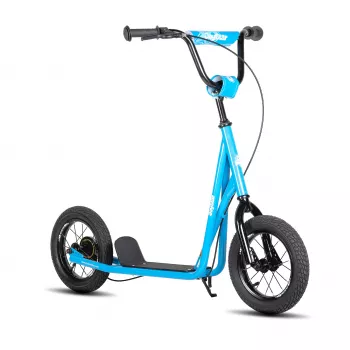
Ages 5–8: Many kids do well on either a higher-quality three-wheel scooter (for smoother learning) or a beginner-friendly two-wheel scooter with grippy handlebars and a responsive brake.
Ages 9+: Two-wheel scooters are typically the go-to for neighborhood rides, longer cruising, and more speed—provided the rider has strong control and follows safety rules.
Signs a child is ready
Look for these readiness cues: the child can stand on one foot for a few seconds, walk and run confidently, follow simple safety directions, and show patience rather than darting unpredictably. If a child struggles to keep both hands on the bar, can’t stop on command, or frequently veers into others, a more stable scooter (or more practice time) is a better fit.
Safety essentials
A properly fitted helmet is non-negotiable. For younger riders, add knee and elbow pads. Stick to smooth, flat areas away from traffic, and check that the scooter’s handlebar height suits the child—too high reduces control, too low strains posture.
For a deeper breakdown of age ranges, scooter features, and fit tips, see the full guide here: https://bro.sale/what-age-for-kick-scooter/.
FAQ
How do I choose between a 3-wheel and 2-wheel scooter?
Three-wheel scooters are typically easier for beginners because they feel more stable, while two-wheel scooters reward balance and are better for older kids who can steer and brake confidently.













Leave a comment