Nike Men’s Cotton Socks: Fit, Feel & Care Tips
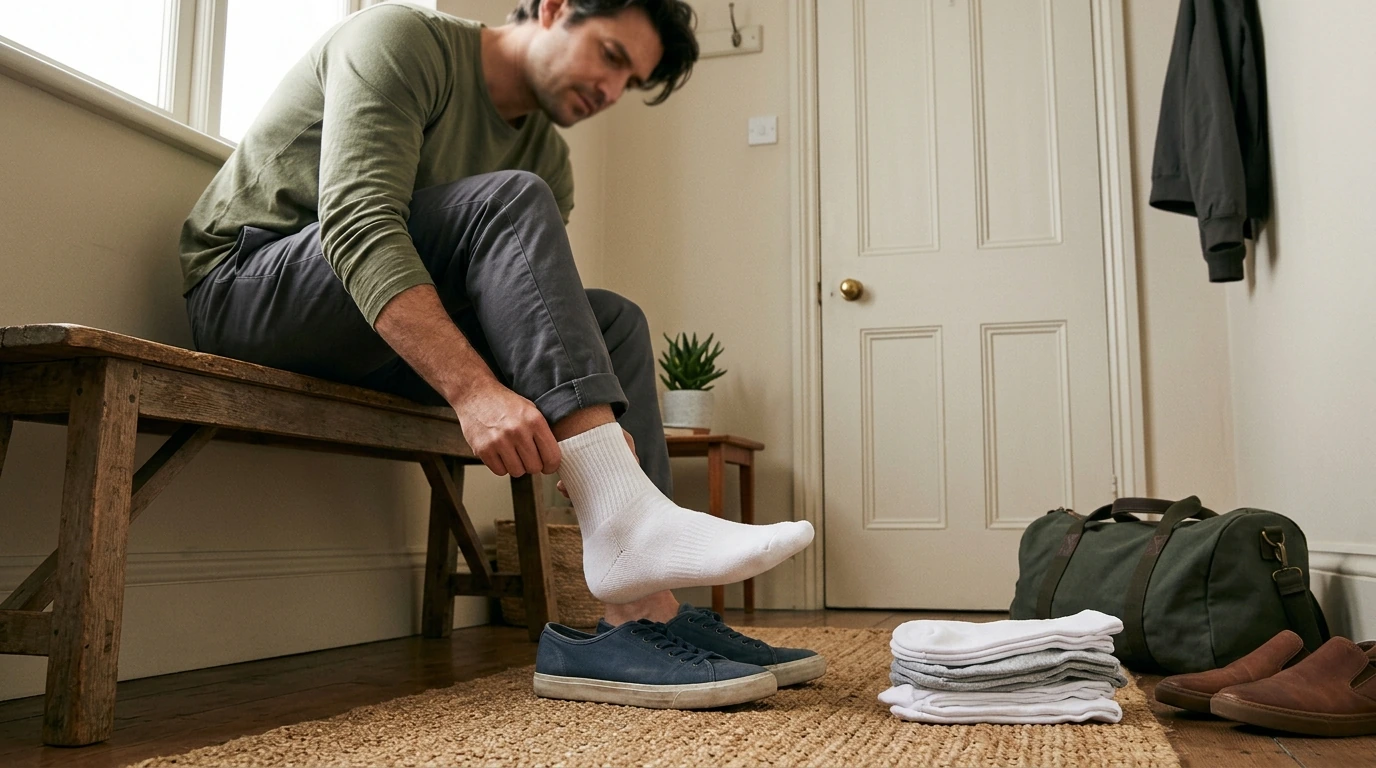
Nike Men’s Cotton Socks: Everyday Comfort That Fits Real Life
Nike Men’s Cotton Socks are built around a simple goal: comfortable, dependable wear with a soft cotton feel. They’re an easy match for daily routines, casual outfits, and training days when you want a familiar, non-fussy sock inside sneakers or trainers. The details that matter most come down to fabric feel, thickness, and getting the fit right at the heel, arch, and toe—because even a great sock can feel “off” if it bunches, slips, or presses at the seam.
If you’re shopping for a pair that stays comfortable through long hours on your feet, the sections below break down what to look for, how to choose the right feel for your shoes, and how to care for cotton socks so they keep their shape and softness over time.
What these socks are best for
- Daily wear: Comfortable for commuting, workdays, and casual outfits when you want a soft, familiar feel inside sneakers.
- Training support: Cotton comfort for gym sessions and light runs, especially when paired with breathable shoes that help manage heat.
- All-day wear: Helps reduce irritation compared with rougher fibers when the sock is properly sized and the shoe interior is smooth.
- Multipurpose use: Suitable for sneakers, trainers, and many casual shoes—great when you want one go-to style that works across outfits.
Comfort and fabric feel
Cotton-forward socks are popular because they feel soft against the skin and tend to be less scratchy than many synthetic-heavy options. That said, comfort isn’t only about softness—how the sock handles moisture, how thick it is, and how well it stays in place all change the day-to-day experience.
- Cotton-forward comfort: Soft, easy feel that works well for people who prefer a more natural fiber touch.
- Breathability expectations: Cotton is breathable, but it can hold moisture longer than performance synthetics. If your feet sweat heavily, ventilated footwear becomes more important.
- Cushioning and thickness: Thickness should match shoe volume. A thicker sock can make a snug shoe feel tight, while a thinner sock can reduce bulk but may feel less cushioned.
- Seasonal wear: Cotton performs best in moderate temperatures. In very hot or very wet conditions, moisture management becomes the priority.
Cotton sock quick guide (what changes the feel)
| Factor | What it affects | Simple choice rule |
|---|---|---|
| Thickness | Warmth, shoe fit, cushioning | Thicker for more cushion; thinner to avoid tight shoes |
| Cushion zones | Comfort underfoot | More cushion for walking/training; lighter for everyday |
| Stretch content | Fit and stay-up support | A bit of stretch helps prevent sagging and bunching |
| Knit density | Durability and breathability | Denser for longevity; lighter knits for airflow |
Fit: getting the right feel in the heel, arch, and toe
Fit is what separates “fine” socks from socks you actually want to wear again tomorrow. When sizing and shape are right, the sock stays put and friction drops—important for comfort on long days and for avoiding hot spots during training.
- Heel placement: The heel cup should sit flat and centered. If it rides up the back of your ankle or slips underfoot, the sock is likely the wrong size or not positioned correctly.
- Toe room: Toes shouldn’t feel compressed, and the seam shouldn’t press hard. Pressure at the front of the shoe can increase rubbing.
- Arch support: A gentle midfoot hold can reduce bunching and improve stability in sneakers, especially when you’re changing direction or walking quickly.
- Stay-up performance: The cuff should remain in place without leaving deep marks. If it feels restrictive, you may prefer a different cut or a less-tight cuff.
A quick check: after you put your shoes on, take a few steps and flex your toes. If you feel the sock shifting or the toe seam tugging, adjust the sock before heading out—small fixes early can prevent a long day of irritation.
Durability and everyday performance
Cotton socks can last a long time when they’re rotated, washed gently, and matched to the right shoes. Most wear shows up first where friction is highest: the toe and heel.
For practical blister prevention guidance, the American Academy of Dermatology has a helpful overview of habits that reduce friction and skin breakdown during activity (How to prevent blisters).
Care tips to keep cotton socks comfortable
For a deeper look at why apparel labels matter and how to interpret them, see the Federal Trade Commission guidance on textile care labeling (FTC: Care Labeling of Textile Wearing Apparel).
Price, availability, and what to expect at delivery
Product details and related in-stock finds
- Product name: Nike Men’s Cotton Socks
- Stock indicator: 200 listed in inventory attributes.
- Product page: Includes the latest pricing, stock status, and images.
- 95oz Cordless Cat Water Fountain – Battery Powered & Ultra-Quiet Pet Feeder
- Adjustable No-Pull Dog Harness & Leash Set with Reflective Safety Design
- Elegant Solid Wood Nightstand with Rattan Storage – Modern Moroccan Design
FAQ
Are cotton socks good for workouts?
They work well for light to moderate training and everyday gym sessions. For very sweaty workouts or wet conditions, socks with more moisture-wicking fibers can help reduce dampness and friction.
How should cotton socks fit to prevent bunching?
The heel should sit in the heel pocket, toes shouldn’t feel compressed, and the cuff should stay up without leaving tight pressure marks. If you notice sliding or folding, adjusting the size up or down usually fixes it.
How can shrinkage be minimized when washing cotton socks?
Use cool-to-warm water, avoid high-heat drying, and follow the care instructions on the label. High heat is a common cause of shrink and faster loss of elasticity.













Leave a comment