Comfort-First IPL: Ice Cooling, 9 Levels, 999,900 Flashes
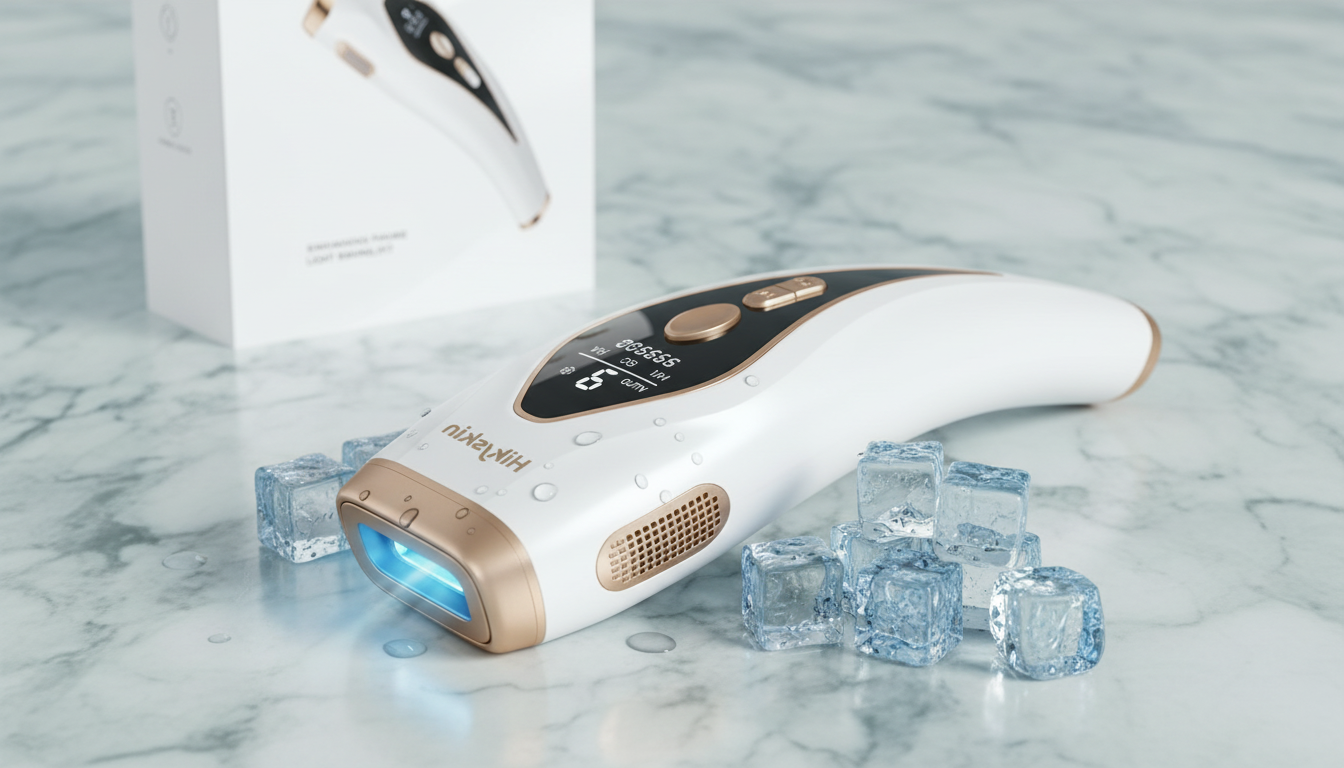
IPL Hair Removal Device with Ice Cooling: Comfort-First At-Home Hair Reduction
An at-home IPL device can help reduce regrowth over time while keeping sessions practical and comfortable. This model pairs an ice-cooling contact surface with a high flash count and multiple energy levels to support gradual, repeatable treatments across common body areas. When used with a steady schedule and the right prep, IPL can fit into a routine that prioritizes comfort without giving up on long-term smoothness. For more guidance, see Best Laser Hair Removal Devices.
What an IPL device does (and what it doesn’t)
IPL (intense pulsed light) uses broad-spectrum light to target pigment in the hair. That light energy converts to heat, which can disrupt the follicle’s growth cycle over repeated sessions. Unlike shaving (which only cuts hair at the surface), IPL aims to reduce how often hair comes back and how coarse it feels. For further reading, see Is It Possible for Light-Based Hair Removal Home Devices to ….
It’s important to set expectations. IPL is best for gradual reduction and ongoing maintenance, and results vary based on hair color, skin tone, hormones, and how consistent the schedule is. It also isn’t the same as in-clinic laser hair removal: at-home devices generally operate at lower energies and rely more on repeat treatments. Because hair grows in phases, IPL mainly works on actively growing hairs—so multiple sessions are necessary to catch different follicles at the right time. For additional safety context, the U.S. FDA’s laser and IPL guidance is a useful reference point.
Ice cooling, flashes, and energy levels: how these features affect sessions
Comfort features can make the biggest difference between “I’ll do it once” and “I can actually keep up with my routine.” An ice-cooling contact surface helps reduce surface discomfort during flashes, which can be especially helpful when treating sensitive areas or moving up to a more efficient setting.
This device’s 999,900 flash capacity is designed for long-term use across multiple body zones, reducing the need to worry about running out. Meanwhile, nine energy levels let you ramp up gradually: start low for sensitivity, then increase as tolerated. In practice, consistency matters more than intensity alone—the sweet spot is typically the highest comfortable level that doesn’t cause lingering redness or irritation afterward.
Feature guide for this IPL device
| Feature | What it means | Why it matters |
|---|---|---|
| Ice cooling contact | Cooling at the treatment window during flashes | Improves comfort and may reduce redness, especially on legs, underarms, and bikini line |
| 999,900 flashes | Very high lifetime flash count | Supports multi-area routines over months/years without worrying about running out |
| 9 energy levels | Adjustable intensity settings | Helps match comfort and sensitivity by area and hair thickness |
| At-home IPL format | Handheld, user-controlled sessions | Convenience and privacy, but requires careful technique and a schedule |
Who it’s for: skin tone and hair color compatibility basics
IPL relies on contrast: darker hair typically responds better than very light blond, red, or gray hair, because there’s more pigment to absorb the light. Skin tone also matters. Darker skin tones may be more prone to adverse effects from IPL, and many devices are not recommended for deep skin tones—always follow the included safety guidance and any skin-tone chart.
Also avoid treating over tattoos, very dark spots, or areas with active irritation, since light can target pigment in those zones. If you’re pregnant, using photosensitizing medications, or managing a skin condition, it’s smart to consult a clinician before starting. The American Academy of Dermatology provides helpful background on expectations and precautions for light-based hair removal.
How to use it safely and get steadier results
Small technique changes can have an outsized impact on comfort and progress.
- Prep: Shave (don’t wax or pluck) 12–24 hours before treatment so light can target the follicle rather than surface hair.
- Patch test: Start on a small area at a low level, then wait 24 hours to confirm there’s no excessive redness or sensitivity.
- Technique: Hold the window flat against skin and move in a controlled pattern. Slight overlap is fine, but avoid repeatedly flashing the exact same spot.
- Schedule: Treat consistently—often weekly at first, then extend the interval for maintenance. Many people notice changes after several weeks, with clearer reduction over a full cycle of sessions.
- Aftercare: Moisturize, skip hot showers/saunas right after, and apply broad-spectrum sunscreen on exposed areas.
Comfort and performance by body area
Different zones respond differently, partly because hair thickness and skin sensitivity change across the body.
- Legs and arms: Often tolerate mid-to-higher levels. These larger, flatter areas are easier to cover evenly and consistently.
- Underarms and bikini line: Hair can be thicker and skin more reactive. Cooling can help, but starting low and increasing slowly is usually the most comfortable approach.
- Face (if permitted by the device instructions): Use extra caution and avoid the eye area. Treat only the zones the manufacturer specifically allows.
- Knuckles, ankles, and curves: Reduce the level if needed and make sure the window stays fully flush to avoid missed flashes or uneven treatment.
Common mistakes that slow progress
Product snapshot and what to look for at checkout
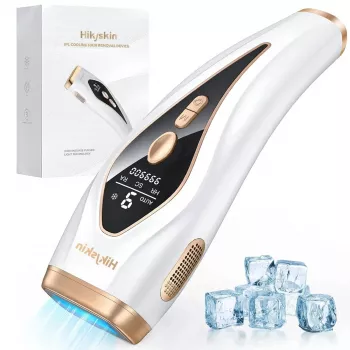
- IPL Hair Removal Device with Ice Cooling, 999900 Flashes, 9 Energy Levels
- Elegant Solid Wood Nightstand with Rattan Storage – Modern Moroccan Design
FAQ
Does the IPL hair removal device really work?
IPL can reduce regrowth over time when used consistently, with results varying by hair color, skin tone, and the hair growth cycle. Many people notice thinning after several weeks, then continue with maintenance sessions to help keep regrowth lower.











Leave a comment