2L Automatic Pet Feeder Timer Guide for Cats & Dogs
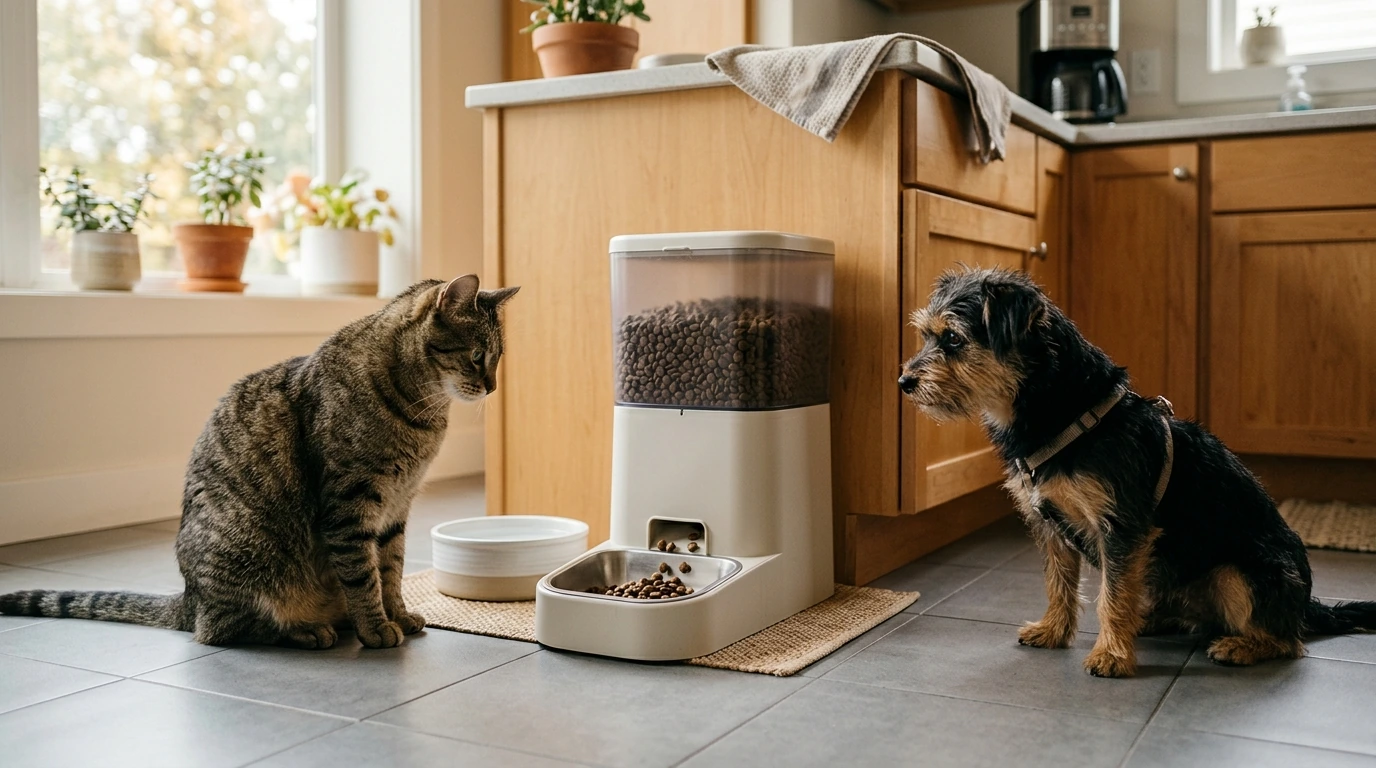
Smart 2L Automatic Pet Feeder with Timer for Cats and Dogs
Consistent meal timing helps many pets stay calmer, maintain healthy portions, and avoid overeating. A timed feeder adds structure to daily routines—especially on busy mornings, late workdays, or weekends away—while keeping dry food protected and easy to dispense.
For households that want dependable, repeatable feeding without having to measure every single meal by hand, a timer-based dispenser can become one of the most practical upgrades to a daily care routine.
Why a Timed Feeder Changes Daily Feeding Routines
A predictable schedule can make feeding feel less like a constant negotiation and more like a calm routine. Many pets adapt quickly when meals arrive at consistent times, and guardians often notice fewer “reminder” behaviors around the kitchen.
- Creates predictable meal times that can reduce begging and food-related anxiety
- Supports portion control for pets prone to overeating or rapid eating
- Helps households with early shifts, long commutes, or irregular schedules
- Useful for multi-person homes where double-feeding can happen
- Keeps dry food contained and reduces mess around the bowl area
For pets with specific nutrition needs, it can also help to follow veterinary-backed guidance on calorie targets and body condition. Helpful references include the AAHA Nutrition and Weight Management Guidelines and the WSAVA Global Nutrition Toolkit.
Smart 2L Automatic Pet Feeder Overview
The Smart 2L Automatic Pet Feeder with Timer for Cats and Dogs – Food Dispenser is designed to dispense dry food on a schedule, helping keep day-to-day feeding consistent. With a 2L hopper, it can suit many small-to-medium pets, depending on portion size and how often meals are scheduled.
- Designed as a timed dry-food dispenser for both cats and dogs
- 2L capacity can suit many small-to-medium pets depending on meal size and frequency
- Timer-based feeding supports consistent scheduling without manual measuring each meal
- Compact footprint fits kitchens, mudrooms, or feeding stations without taking over floor space
- A practical option for guardians who want reliable meals even when away from home for part of the day
At-a-Glance: Smart 2L Automatic Pet Feeder
| Feature | What it means for daily use |
|---|---|
| 2L food storage | Less frequent refills for many pets; helps keep food contained |
| Timer scheduling | Meals can be dispensed on a consistent routine |
| Dry food dispensing | Best suited to kibble sizes that flow smoothly through the chute |
| For cats and dogs | Works for many breeds; portion needs vary by pet size and diet |
| Everyday convenience | Supports busy schedules and reduces missed meals |
Setting Up a Healthy Feeding Schedule
A feeder works best when the schedule matches the pet’s metabolism, lifestyle, and household rhythm. If a pet is used to a certain routine, small adjustments are typically easier than sudden shifts.
- Start with the pet’s current routine, then shift meal times gradually (15–30 minutes per day) if needed
- Use the pet’s daily calorie target to determine total food amount, then divide into scheduled meals
- For weight management, measure portions with a scale or standard scoop until settings are dialed in
- Consider smaller, more frequent meals for cats that do better with multiple feedings
- Monitor for the first week: appetite, stool quality, and any signs of guarding or frustration
For general routine and feeding reminders (especially for new cat guardians), the ASPCA general cat care guide is a solid starting point.
Choosing the Right Food and Kibble Size
Timed dispensers are most reliable when the kibble flows freely. Food that clumps, crumbles into dust, or varies dramatically in size can interfere with consistent portions.
- Select dry food with consistent kibble shape to help prevent jams
- Avoid mixing in sticky toppers or wet food inside the hopper unless explicitly supported
- If the household uses prescription diets, confirm the feeding plan with a veterinarian before changing portions
- Store food in a cool, dry place and refill with fresh kibble to maintain aroma and palatability
- Clean the bowl area regularly to prevent oil buildup that can attract pests
Daily Use Tips for Cats vs. Dogs
Cats and dogs often thrive on different feeding patterns. A smart approach is to let the schedule support natural behavior while keeping total intake consistent.
To round out a daily rhythm beyond meals, consistent walks can help many dogs maintain a healthier weight and calmer behavior. For day-to-day outings, an Adjustable No-Pull Dog Harness & Leash Set with Reflective Safety Design can support a more comfortable walking routine.
Cleaning, Maintenance, and Food Safety
When an Automatic Feeder Is Especially Helpful
Helpful Add-Ons for a Complete Feeding Station
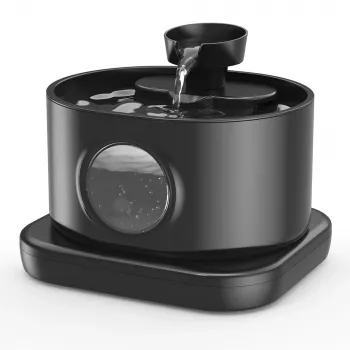
For cats that prefer running water (or households that want quieter hydration), a 95oz Cordless Cat Water Fountain – Battery Powered & Ultra-Quiet Pet Feeder can complement scheduled meals and encourage more frequent drinking.
FAQ
How often should an automatic feeder dispense meals for cats or dogs?
Many cats do well with multiple small meals spread throughout the day, while many dogs thrive on 1–2 set meals daily. Follow veterinary guidance for calorie needs, and adjust gradually while watching body condition and appetite.
What dry food works best in a timed dispenser?
Choose a dry food with uniform kibble size and shape so it flows smoothly through the chute. Keep food dry, avoid sticky toppers in the hopper, and test a small batch first to confirm consistent dispensing.
Can an automatic feeder help with weight management?
Yes—consistent timing and measured portions can reduce accidental overfeeding and help keep daily intake steady. For safe weight changes, set calorie targets with a veterinarian, especially for pets with medical conditions.














Leave a comment