Best Uses for Tunnel Tents: Space, Wind, and Comfort
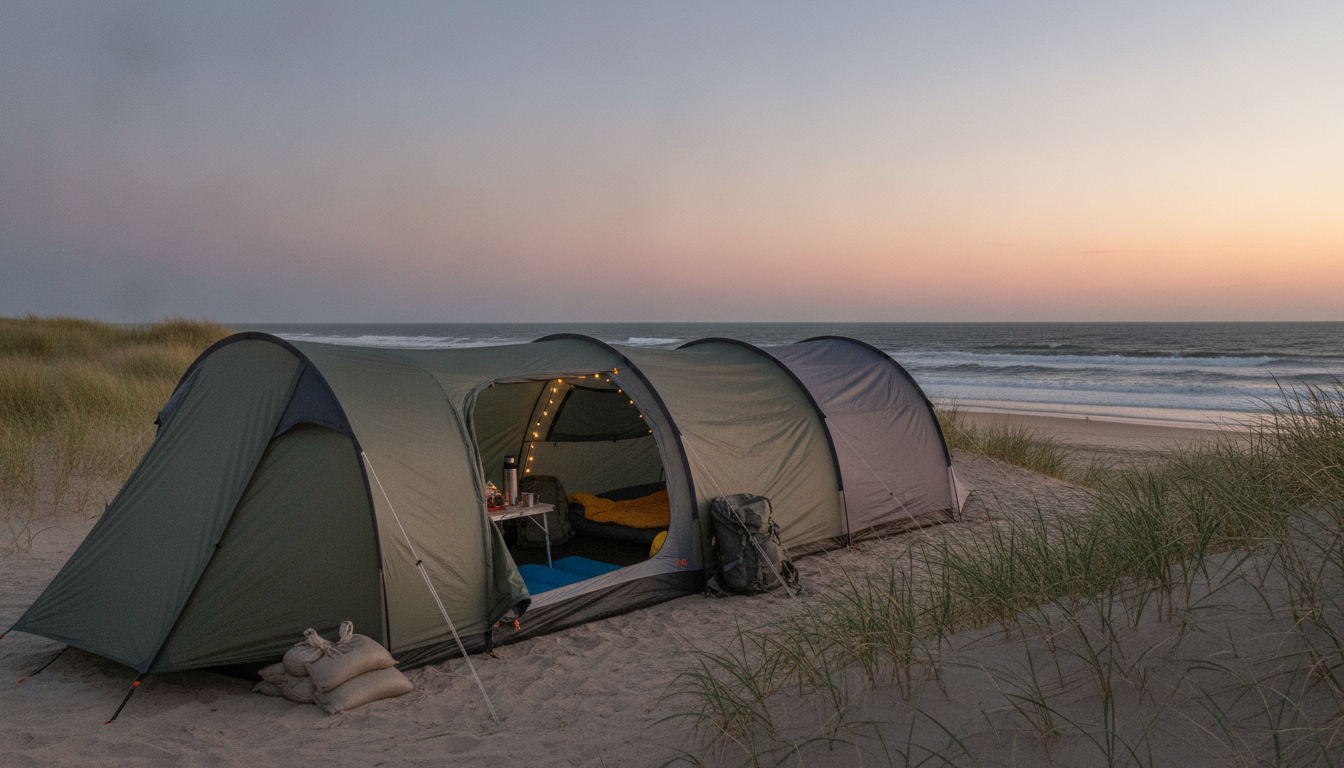
What are tunnel tents good for?
Tunnel tents are best for campers who want a roomy, stable shelter without the weight and complexity of larger frame designs. Their long, arched pole structure creates tall sidewalls and usable floor space, making them especially practical for multi-day trips where comfort matters as much as packability.
Spacious camping with efficient setup
If the goal is to sleep multiple people comfortably, store gear inside, or change clothes without crouching, tunnel tents shine. The shape tends to create a wide “living area” that feels less cramped than many dome tents with the same footprint. Most models pitch quickly because poles run in parallel sleeves, so the structure takes shape fast once the first arch is anchored.
Wind performance when pitched correctly
Tunnel tents can handle windy conditions well when the narrow end is pointed into the wind and all guy lines are used. Their aerodynamic profile reduces buffeting compared to boxier tents. That said, they’re more dependent on proper staking than some freestanding designs, so they’re a strong match for campsites where you can securely anchor corners and guylines.
Great for base camps and family-style trips
Because they often include large vestibules, tunnel tents are a smart pick for base camping, car camping, and shoulder-season trips where you want a place to cook (safely outside the sleeping area), stash muddy boots, or keep packs out of the rain. Many offer multiple entrances, which helps reduce nighttime disruptions when people come and go.
When a different tent style may be better
If you camp on rocky ground where stakes don’t hold, a freestanding dome may be easier. And if you’re expecting heavy snow loading, a geodesic or mountaineering-style tent is typically more supportive. For most three-season camping, though, tunnel tents offer an appealing balance of space, weather protection, and value.
For more detail on choosing the right design for your trips, visit the main guide to what tunnel tents are good for.
FAQ
Are tunnel tents freestanding?
Most tunnel tents are not freestanding and need stakes and guylines to hold their shape. This makes site selection and solid anchoring important for the best performance.













Leave a comment