Ultra-Light Carbon Baitcaster: 4kg Drag, Magnetic Brake
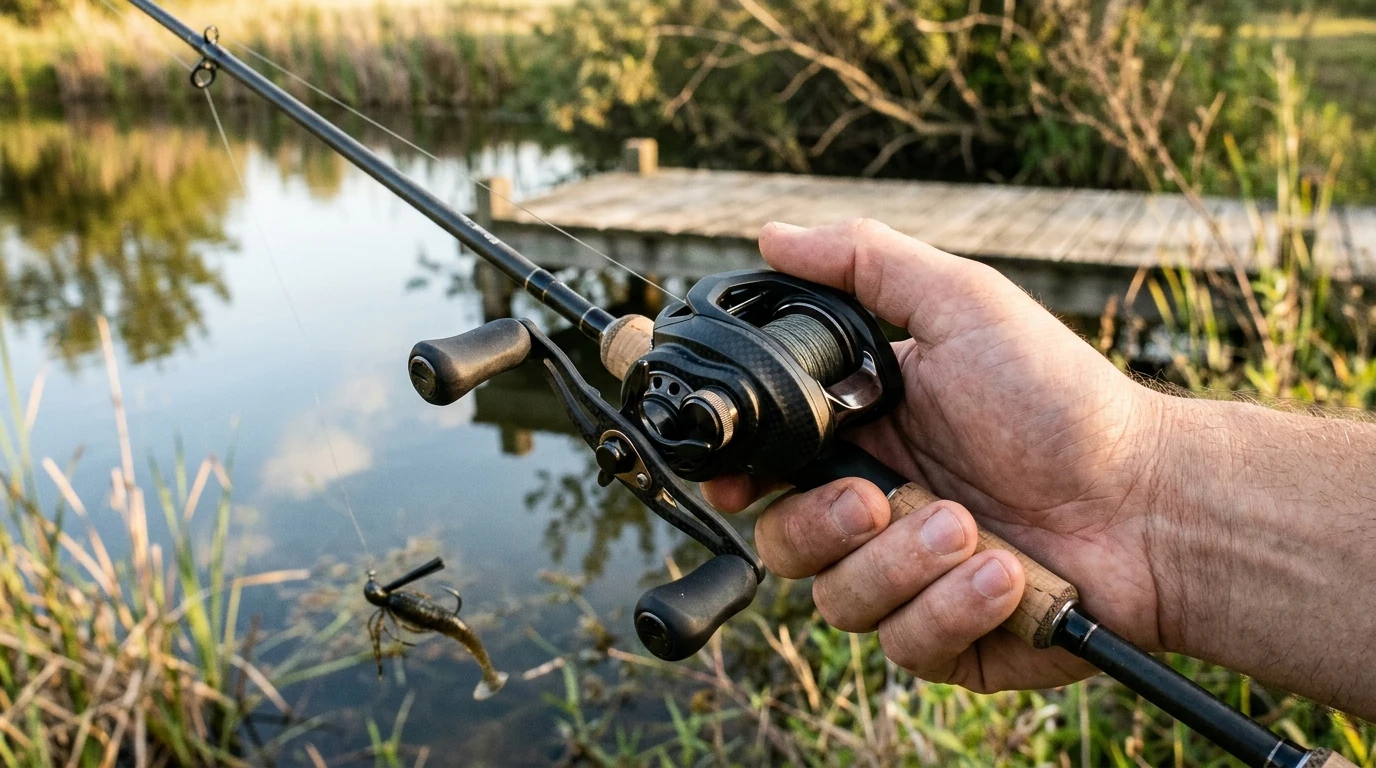
Ultra-Light Carbon Baitcasting Reel with 4kg Drag & Magnetic Brake System
An ultra-light carbon baitcasting reel is built for long sessions, faster lure work, and controlled casting with fewer overruns. With a 4kg max drag and a magnetic brake system, this setup fits finesse presentations, accurate target casting, and steady pressure on light-to-medium species—especially when you’re making repeated casts, working compact baits, and trying to keep your wrist fresh through the last hour of the day.
What Makes This Reel Different
- Carbon-forward, ultra-light feel: The reduced overall weight helps limit hand fatigue during frequent casting, wrist-driven twitches, and stop-and-go retrieves.
- 4kg max drag for controlled pressure: Designed for light lines and smaller hooks, while still offering enough top-end resistance to manage surges near grass edges, docks, and laydowns.
- Magnetic brake system for smoother casts: Magnetic resistance helps regulate spool speed, which can mean fewer backlashes and more consistent releases as you dial in your setup.
- Compact baitcaster profile: A palmable shape supports fast lure work—think twitch baits, small jigs, and quick roll-casts where comfort and control matter.
Best Use Cases: Where It Shines
- Finesse baitcasting: Small soft plastics, weightless rigs, and light Texas rigs when matched with a rod that can load lighter baits.
- Stream and pond target casting: Placing casts along shade lines, overhanging brush, and tight bank transitions—where accuracy beats raw distance.
- Reaction baits on light gear: Small crankbaits, compact spinnerbaits, and lipless baits are easier to manage when braking is set correctly for lure weight and wind.
- All-day wading or bank fishing: Low weight reduces wrist strain, especially when walking and casting constantly.
How the 4kg Drag Translates on the Water
A max drag number is best treated as an upper ceiling, not a “set it and forget it” target. Many anglers fish below the maximum—especially with light line, smaller hooks, and treble-hook lures—because smoothness and consistency matter more than cranking the star down hard.
- Use practical drag settings: Set drag to protect your line and keep hooks pinned. Treble-hook baits typically benefit from lighter, steadier pressure to prevent tearing out.
- Prioritize smooth startup: A drag that starts cleanly reduces sudden shock on headshakes and boatside surges.
- Adjust for cover vs. open water: In open water, a moderate drag plus a softer tip helps absorb runs. Near cover, bump drag slightly to turn fish sooner—without risking break-offs.
- Keep performance consistent: Wipe down after trips and keep the spool/side plate area clean and dry so drag and casting feel don’t degrade over time.
Magnetic Brake System: Practical Setup Tips
- Start higher, then back down: Begin with stronger braking while learning spool behavior, then reduce in small steps until you find the balance of distance and control.
- Pair braking with spool tension: First set spool tension to remove side-to-side play, then use the magnetic dial for real-world casting control.
- Re-tune for wind and lure changes: Lighter lures and headwinds usually require more braking to prevent mid-cast “fluffing” and overruns.
- Thumb control still finishes the cast: Magnets assist, but your thumb is the final brake—especially for low, skipping trajectories and pinpoint pitches.
For general gear fundamentals and how rods and reels work together, Take Me Fishing’s rod and reel basics is a solid reference. For braking and tension concepts, see the manufacturer education pages at Shimano.
Quick Specs Snapshot
Use this table as a fast reference for what’s confirmed and what to verify based on line choice and rod pairing. When comparing reels in this class, pay special attention to drag rating, braking type, and overall weight/comfort.
| Feature | What it Means for Fishing |
|---|---|
| Ultra-light carbon build | Reduces fatigue; improves comfort for active casting and lure work |
| Max drag: 4kg | Supports controlled pressure on light-to-medium fish; helps manage surges near cover |
| Magnetic brake system | Helps regulate spool speed for smoother casting and fewer backlashes |
| Baitcasting format | Better control for target casting, pitching, and accurate lure placement |
Line, Rod, and Lure Pairing Guide
If you want additional context on matching line strength to realistic fishing applications, the International Game Fish Association (IGFA) provides useful background on line classes.
Care and Longevity
Price-to-Performance Notes
In-Stock Picks
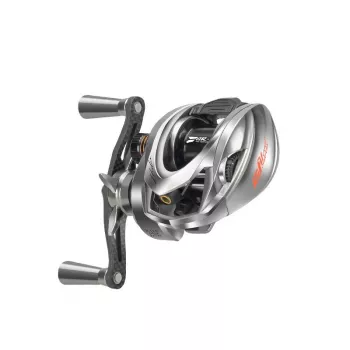
- Ultra-Light Carbon Baitcasting Reel with 4kg Drag & Magnetic Brake System
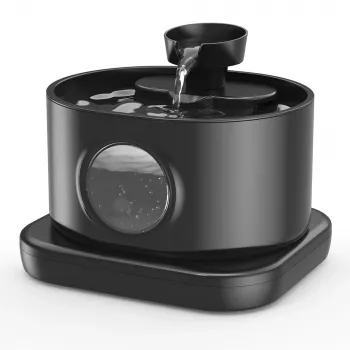
- 95oz Cordless Cat Water Fountain – Battery Powered & Ultra-Quiet Pet Feeder
- Adjustable No-Pull Dog Harness & Leash Set with Reflective Safety Design
FAQ
Is a 4kg drag enough for bass fishing?
Yes for many bass situations, because most anglers don’t fish at maximum drag—especially with lighter line and smaller hooks. Set drag to protect your line and let the rod’s flex absorb surges rather than locking down pressure.
How do magnetic brakes reduce backlashes on a baitcaster?
Magnetic brakes add resistance to spool acceleration during the cast, helping keep spool speed closer to the lure’s speed. Increase braking for lighter lures or headwinds, and reduce it gradually as control improves while still using spool tension and thumb pressure to finish the cast.
What line works best on an ultra-light baitcasting reel?
Braid with a fluorocarbon or mono leader is a popular choice for sensitivity and manageable casting, while straight mono can be easier when learning because it’s less prone to digging. Use line sizes that match your lure weight and target species, and avoid overfilling the spool to reduce overruns.














Leave a comment