3–4 Person Outdoor Tunnel Tent: Comfy Basecamp Setup
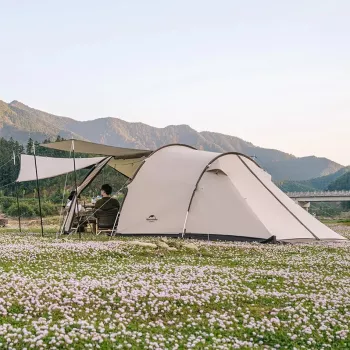
3–4 Person Outdoor Tunnel Tent for Comfortable Basecamp Camping
A tunnel-style tent is built for livable space, fast pitching, and dependable wind performance when oriented correctly. For weekend getaways, road-trip overnights, and longer basecamp stays, a 3–4 person tunnel tent can feel less like “sleeping in a shelter” and more like setting up a small, organized room outdoors. The details that matter most come down to how you plan the space, how you handle weather and moisture, and how consistently you pitch and care for the tent.
What Makes a Tunnel Tent Different
Tunnel tents use an arched pole structure that typically creates strong headroom and more usable floor area than many dome layouts. Instead of concentrating volume in the center, the tunnel profile often stretches that comfort along the length of the tent, which makes it easier to sit up, change clothes, or manage gear without brushing the walls.
Most tunnel tents also have a longer footprint, which helps you separate sleeping and storage zones—especially valuable for basecamp-style trips where footwear, packs, and layers add up quickly. Wind performance is excellent when the narrow end faces the prevailing wind, but that performance depends on good staking and the full use of guy lines. Many models include a vestibule-style entry that acts as a buffer zone for muddy boots, wet shells, and packs (and, where permitted, limited cooking gear kept safely away from fabric and flames).
Who a 3–4 Person Tunnel Tent Fits Best
This category shines for campers who prioritize comfort and organization over minimal packed size. Two campers often get the most luxurious experience—space for wider sleeping pads, duffels, and indoor changing without turning the tent into a cluttered hallway. It also works well for a small family with one child or for three adults using compact pads and disciplined gear storage.
Tunnel tents are especially appealing for car camping, basecamps near trail networks, and shoulder-season trips. Extra interior volume helps manage damp jackets, layered clothing systems, and the reality that cool nights and humid mornings can make everything feel wetter than it is.
Space Planning: Capacity vs. Comfort
Stated capacity is usually “sleeping only,” meaning four people may fit, but not necessarily comfortably—particularly with wide pads, pets, or bulky bags. A practical way to plan is to measure your sleeping pads first (width and length), then map a small walkway that allows nighttime exits without climbing over someone’s pillow and gear.
The vestibule is your best friend: keep shoes, wet rain gear, and packs out of the sleeping area to reduce condensation and keep the floor cleaner. Also pay attention to interior height and door placement. A well-placed door reduces awkward crawling and helps limit contact with damp tent walls during rainy periods.
| Use case | Recommended sleepers | Gear storage plan | Comfort notes |
|---|---|---|---|
| Couple + gear | 2 | Vestibule + side wall organizers | Most comfortable setup; roomy changing space |
| Two adults + child | 3 | Vestibule for packs; keep center clear | Works well with narrower pads |
| Three adults | 3 | Packs in vestibule; minimal items inside | Snug if pads are wide; plan layout |
| Four adults | 4 (tight) | Strict vestibule storage; no extra furniture | Best only for short trips with compact pads |
Weather Readiness: Rain, Wind, and Ground Moisture
Rain protection depends on a taut rainfly, correct fly coverage, and solid stake placement so water can’t pool or push fabric against the inner tent. After pitching, walk the perimeter and check for low points in the fly that could collect rain. A few minutes of re-tensioning can make the difference between “drips all night” and “dry and quiet.”
For broader camp safety, review guidance from the National Weather Service on lightning safety and the American Red Cross camping safety tips before heading out.
Ventilation and Condensation Control
Setup Routine for Faster, Cleaner Pitches
Everyday Durability and Care
Between trips, store the tent loosely in a breathable bag rather than keeping it compressed in a tight sack. For cleaning, spot clean with mild soap and water and avoid harsh detergents that can damage waterproof coatings. To minimize impact outdoors, follow the Leave No Trace Seven Principles when selecting sites and managing waste.
Featured Option: 3–4 Person Outdoor Tunnel Tent
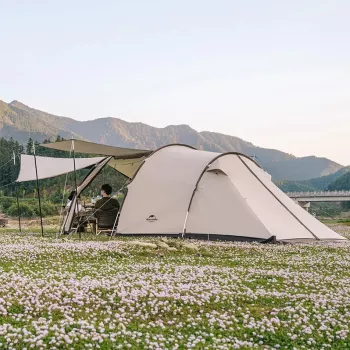
If the goal is a comfortable basecamp with room to sleep, organize, and move around, the 3-4 Person Outdoor Tunnel Tent is designed around livability. The tunnel profile supports generous headroom and a layout that helps separate sleeping space from gear storage so your floor stays clearer and drier.
Optional add-ons for camping with pets
For trips where pets join the camp routine, consider practical travel-friendly accessories like the Adjustable No-Pull Dog Harness & Leash Set with Reflective Safety Design for controlled walks around camp, or the 95oz Cordless Cat Water Fountain – Battery Powered & Ultra-Quiet Pet Feeder for quieter hydration at basecamp.
FAQ
Can a 3–4 person tunnel tent comfortably sleep four adults?
Usually not comfortably. The listed capacity is often shoulder-to-shoulder sleeping with little room for wide pads or personal gear, so 2–3 adults tends to be a better comfort target while using the vestibule for packs and shoes.
How should a tunnel tent be oriented in strong wind?
Face the narrow end into the prevailing wind, stake all corners securely, and use guylines on both sides to stabilize the arches. Re-tension after temperatures drop and avoid exposed ridgelines when possible.
How do you reduce condensation in a tunnel tent?
Ventilate whenever conditions allow by using vents and partially opening doors with mesh, and keep wet gear out of the sleeping area. Choose a well-drained site away from low spots, and wipe interior walls in the morning to prevent moisture buildup over multiple nights.












Leave a comment